
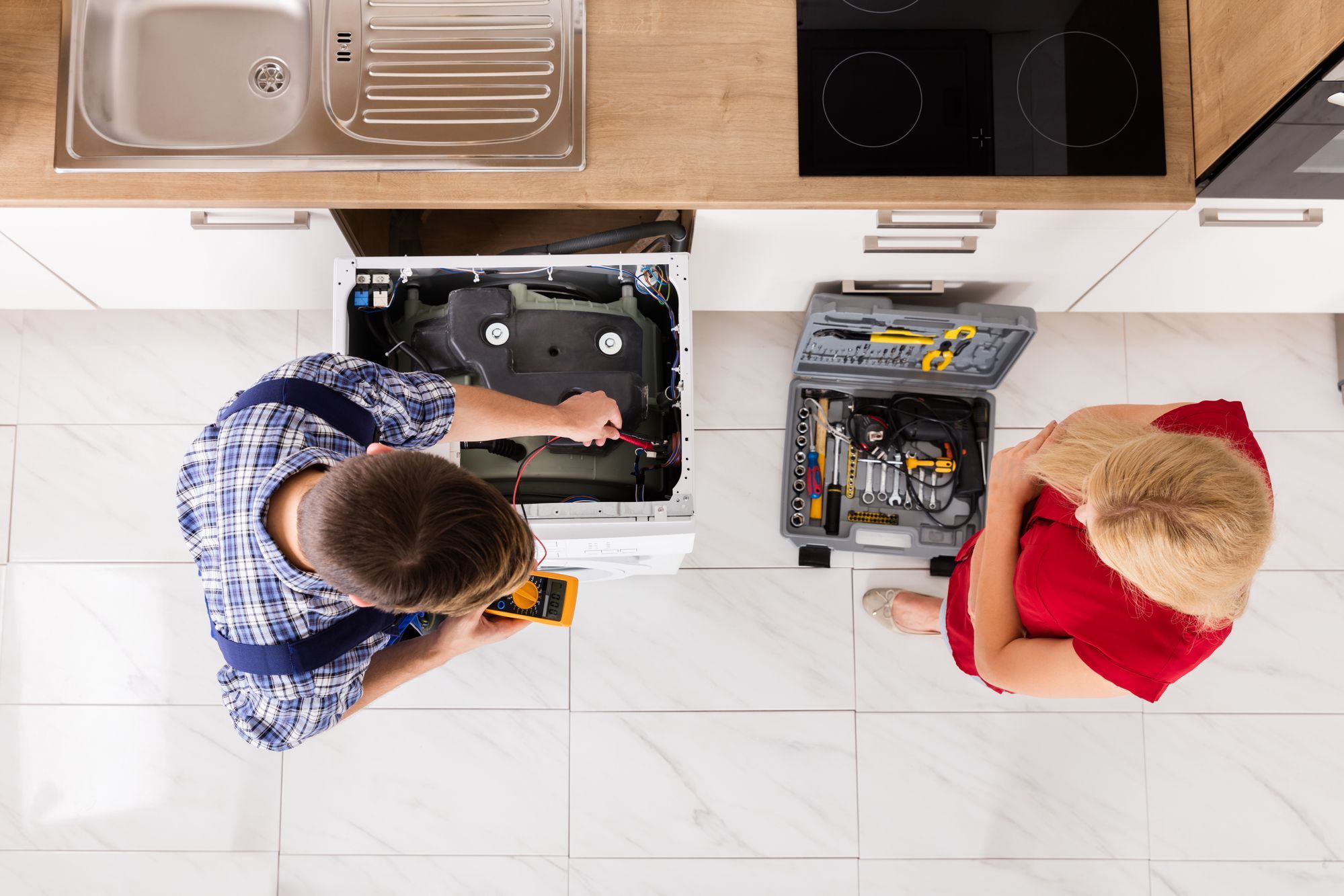
When to Upgrade Appliances in Jupiter Rentals
How to decide which appliances to upgrade before listing, when to replace mid-tenancy vs. at turnover, and what appliance quality standard Jupiter renters actually expect.
Why Appliance Quality Matters More in Jupiter Than in Other Markets
Jupiter's rental market is dominated by mid-to-upper-income professionals and families who have meaningful alternatives. These tenants are comparing your rental to other well-maintained properties at similar price points, and appliance quality is a visible, immediate signal of how the property is maintained overall. A refrigerator from 2009 with a yellowed interior, a dishwasher that sounds like a rock tumbler, or a stove with two functioning burners will register negatively in a showing even if the tenant does not explicitly mention it.
The economic case for appliance quality in Jupiter rentals is not just about tenant satisfaction — it is about leasing speed and renewal rate. Properties with updated appliances lease measurably faster than comparable properties with dated units. Atlis's leasing data shows an 8-12 day faster average leasing timeline for Jupiter properties with updated (within 7 years) stainless appliance packages versus properties with original appliances older than 10 years, at comparable price points. That 8-12 day premium in leasing speed is worth $750-$1,400 in recovered vacancy cost at typical Jupiter rents.
The Appliance Replacement Decision Framework
Age and condition assessment: The first question is age. For South Florida rental properties, where appliances run under higher frequency of use and in a more humid, corrosive environment than national norms, realistic appliance lifespans are: refrigerator: 8-12 years. Dishwasher: 8-12 years. Range/oven: 12-15 years. Microwave (built-in): 7-10 years. Washer/dryer if provided: 8-12 years.
An appliance at or past its expected lifespan is a mid-tenancy emergency repair risk, not just an aesthetic issue. A refrigerator that fails in the middle of a tenancy means emergency replacement (premium pricing), tenant inconvenience and potential food loss claim, and a disruption that damages the tenant relationship. Replacing the appliance before the tenancy at your own schedule, at standard pricing, eliminates all three costs.
Condition and presentation: Beyond age, functional appliances that show significant cosmetic degradation — yellowed interior finish, cracked door seals, rusted drip pans, damaged control panels — affect showing performance even if they function adequately. In Jupiter's presentation-conscious rental market, cosmetically degraded appliances signal deferred maintenance to qualified applicants who can easily choose a different property.
Hyperlocal Spotlight: Flamingo Park, West Palm Beach
Flamingo Park in West Palm Beach represents one of the most active rental submarkets in Palm Beach County for the specific considerations covered in this guide. Current rental rates in Flamingo Park range from $2,300–3,200/month for single-family and townhome inventory, with demand driven primarily by corporate transferees, dual-income households, and long-term residents seeking stability in a well-maintained community.
Landlords operating in Flamingo Park face the full complexity of West Palm Beach's rental environment: HOA compliance requirements, a tenant pool with above-average income and expectation standards, and seasonal demand variation that rewards landlords who price accurately and market professionally. Atlis currently manages properties throughout Flamingo Park and the broader West Palm Beach submarket, with an average days-to-lease of under 21 days for properly prepared and priced units. Owners in this community who contact Atlis receive a no-obligation rental analysis specific to Flamingo Park market conditions — not a county-wide estimate.
What Jupiter Renters Actually Expect
Jupiter renters in the $2,500-$5,000/month market segment expect appliances that are: functional without maintenance issues, stainless steel finish (for kitchen appliances) or a clean white/bisque match set (accepted in some older communities), reasonably contemporary in style (not more than 10-12 years old), and clean at move-in. They do not require top-of-the-line professional appliances. They do require appliances that function properly and present well.
The Jupiter renter who encounters a listing with brand-name, stainless steel appliances installed within the last 5-7 years is in the market segment where this is expected and does not pay a premium for it. The same renter who encounters a listing with original 2007 appliances in a property otherwise priced at market has a reason to offer below asking or to choose the competing property that matches the expected standard. The cost to match the expected standard: a full kitchen appliance package (refrigerator, range, dishwasher, microwave) runs $2,500-$4,500 installed for mid-range stainless replacements from Home Depot or Best Buy.
Professionally Managed vs. Self-Managed: By the Numbers in Palm Beach County
The financial gap between professionally managed and self-managed rental properties in Palm Beach County is measurable, compounding, and consistently underestimated by first-time landlords. Atlis tracks these metrics across its active portfolio.
Annual tenant turnover rate
Maintenance cost overrun (vs. budget)
Security deposit recovery rate
Owner-reported monthly stress level (1–10)
18%
+4%
87%
2.4
41%
+22%
54%
7.1
Higher retention = less vacancy, less leasing cost
Reactive maintenance costs far more than planned upkeep
Documentation discipline determines recoverable deductions
Professional management removes landlord from daily operations
Timing Appliance Upgrades for Maximum Return
At turnover, before relisting: The highest-return window for appliance upgrades is the turnover period before a new tenancy. The property is vacant, the upgrade does not disrupt an existing tenant, and the improved listing photos and showing presentation directly benefit the next leasing cycle. If an appliance is within 2-3 years of its expected lifespan at a turnover point, replace it now rather than risk a mid-tenancy emergency.
Mid-tenancy replacement: When an appliance fails or is approaching failure during a tenancy, replace it with the same quality or better. This is not the time to install the cheapest available unit — a mid-tenancy replacement is a service to the tenant, and choosing a quality replacement communicates that the property is well-managed. Quality replacements cost more upfront but generate fewer repeat service calls.
Pre-listing investment: For a property being brought to market after a period of owner-occupancy or a long tenancy, a complete appliance audit before listing is worthwhile. Replacing aged-out appliances as part of the pre-listing preparation improves the listing photographs, the in-person showing experience, and the probability of leasing at or above asking rent.
The appliance question I get most often from Jupiter owners is about washers and dryers: should I include them or not? My answer is almost always yes in Jupiter's rental market. The tenant pool here expects laundry in the unit for single-family homes and most townhomes. A property that does not include washer/dryer — or that includes a set from 2006 — will sit longer and receive lower offers than a comparable property with a functional, reasonably contemporary set. The cost of a new mid-range washer/dryer set ($1,200-$1,800 installed) is recovered in the first two leasing cycles through faster placement and market-rate rents.
Landlord Scenario: A Real Palm Beach County Owner's Experience
The situation: A out-of-state investor owned a 3-bedroom single-family home in Palm Beach Gardens. She purchased the property remotely and self-managed from out of state for 14 months. The result: used a generic lease template downloaded from the internet that had no Florida-specific provisions and no HOA addendum.
What changed: After engaging Atlis Property Management, the team transitioned to Atlis's Florida-specific lease with HOA compliance addendum. The property was brought into compliance with current market standards and operational best practices within 30 days of onboarding.
The outcome: The owner avoided two HOA violations that would have resulted in fines and had a defensible lease when the tenant disputed a maintenance responsibility. The management fee paid for itself within the first lease term, and the owner has since retained Atlis for two additional properties in her portfolio.
Jupiter Rental Appliance Upgrade Mistakes
Bargain-tier appliances in Jupiter rental properties generate higher lifetime service costs than mid-range replacements. A $450 refrigerator from a discount retailer has a shorter lifespan, more frequent compressor and seal failures, and a poorer showing presentation than a $750 mid-range unit. For a typical 12-month tenancy, the cost difference between a $450 and $750 refrigerator is less than $25/month. The cost difference in avoided service calls and improved leasing is multiples of that.
An appliance at 10 years old in a South Florida rental is a mid-tenancy failure risk. The owner who installs it for one more tenancy to avoid the replacement cost at turnover is accepting the risk of an emergency replacement at a premium price, a tenant disruption, and a potential food loss claim. Replace aging appliances during the turnover window when you control the timing and the cost.
Dishwashers are one of the most common appliances that tenants notice and comment on during showings. A dishwasher that is visibly stained, produces excessive noise, or requires a specific combination of button presses to function is a negative showing point even if it technically cleans dishes. If the dishwasher is more than 10 years old or shows significant wear, replace it before listing.
Jupiter Rental Appliance Questions Answered
Get a Custom Quote for Your Palm Beach County Rental Property
No pressure, no obligation. Jean Taveras will walk you through exactly what Atlis management would cost and return for your specific property.
Call 561.473.3664Email info@atlispm.com